I do not agree with the United States voting against the resolution, but I also refuse to reduce that decision to something simple or careless, because it is neither. It is calculated, consistent, and rooted in a set of priorities that the country has maintained for decades, regardless of which administration is in power. The United States has long acknowledged slavery as a moral failure and a historical reality, but when conversations move from acknowledgment into language that could carry legal or financial consequence, the position shifts quickly. This is not new behavior; it is a continuation of a pattern that has shown up in multiple international settings, including past negotiations tied to racism, colonialism, and reparations.
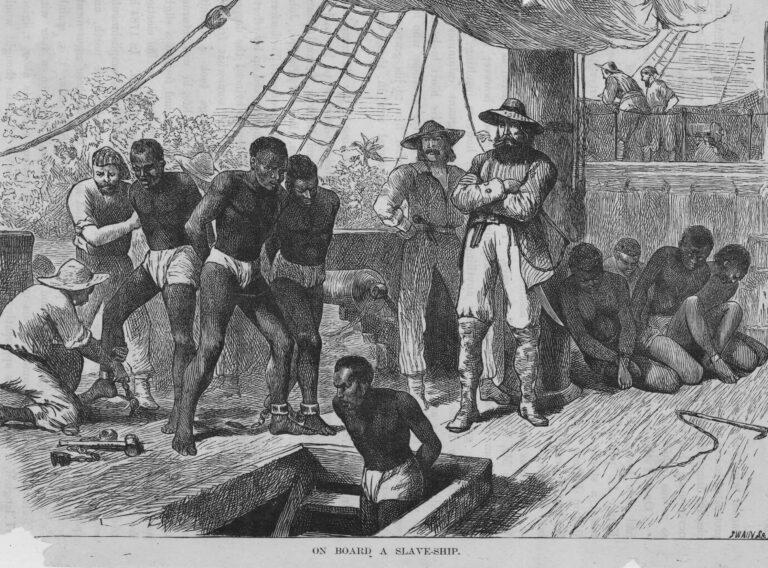
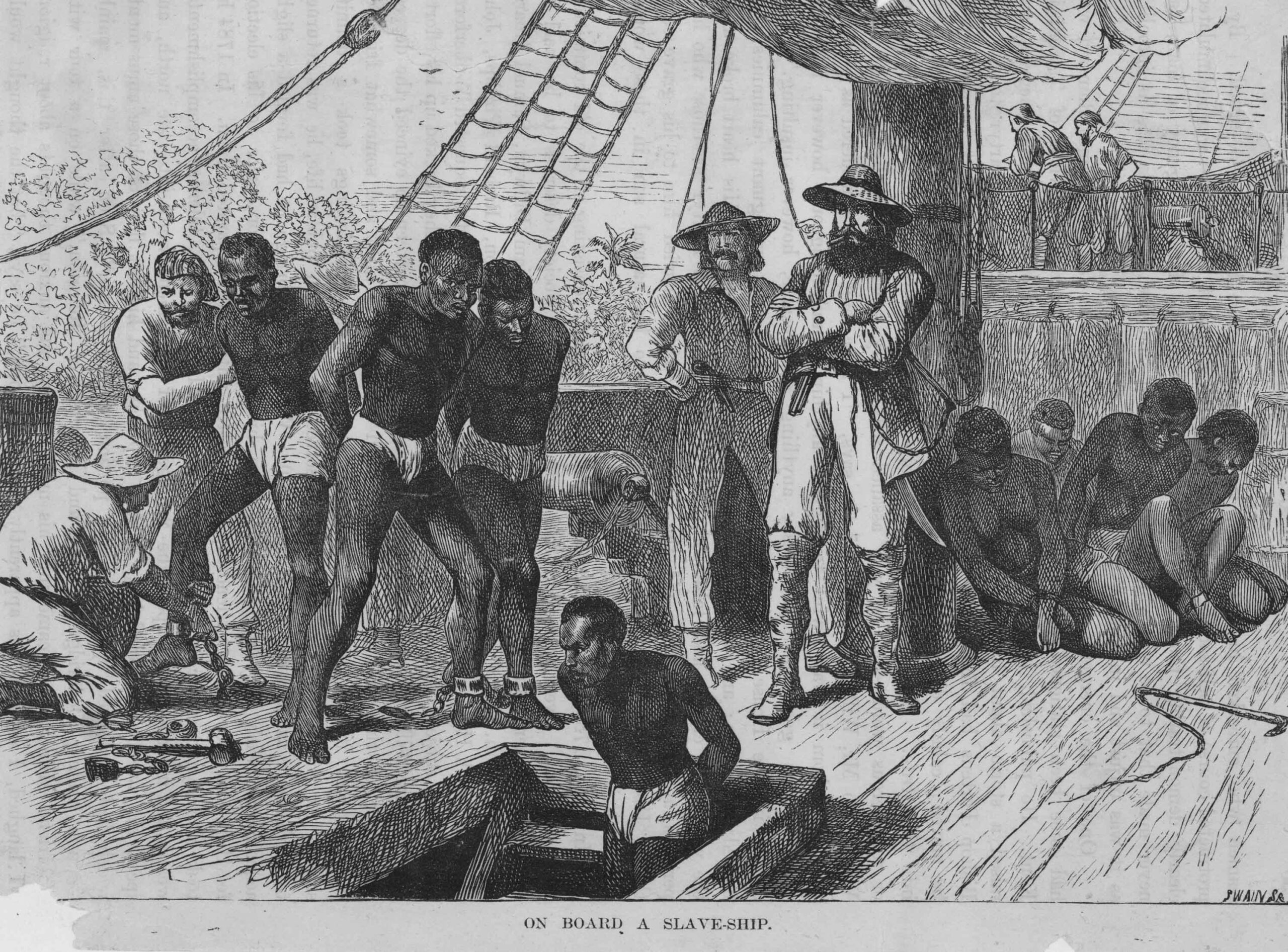
I took the time to read the article directly from the United Nations, because I have learned that if something carries weight, I need to see it at the source and not through interpretation. What I found is that, for the first time, the UN General Assembly adopted a resolution that explicitly describes the transatlantic slave trade as the “gravest crime against humanity,” and that matters because it represents a deliberate shift in language that has been avoided for decades.
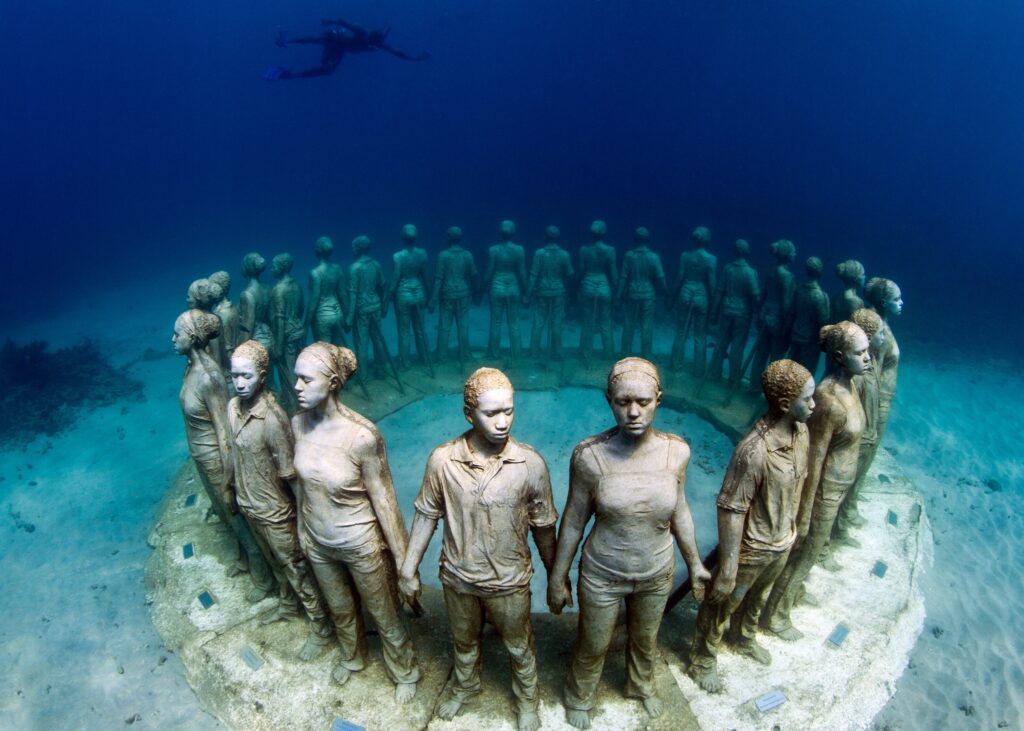
This was not casual wording or rhetorical emphasis; it was a formal resolution advanced by African nations and supported by Caribbean countries, and it passed with a clear majority of member states. That alone tells me that something has moved at the global level, not just emotionally or socially, but politically, where language is negotiated carefully and rarely escalated without intention.
At the same time, I cannot ignore that this resolution, while significant, does not carry legal force. It does not mandate reparations, it does not impose penalties, and it does not create enforceable obligations for the countries that participated in or benefited from the transatlantic slave trade. What it does is establish a stronger moral and political position, one that places this history at the center of an ongoing conversation about accountability, rather than leaving it in the category of acknowledgment.
The United States voted against this resolution, and that decision follows a pattern that has been consistent over time. The resistance is not rooted in a denial of history, but in the implications of what that language could trigger, particularly around legal exposure and reparations. Once something is defined in the strongest possible terms at an international level, it raises the question of whether acknowledgment must be followed by measurable response, and that is where agreement begins to break down.
I find myself sitting in a space that is both grounded and unsettled, because while the language now reflects a level of clarity that many people have long understood, it does not, by itself, change the conditions that grew out of that history. There is a difference between naming something with precision and addressing the consequences that remain, and I am not interested in confusing the two.
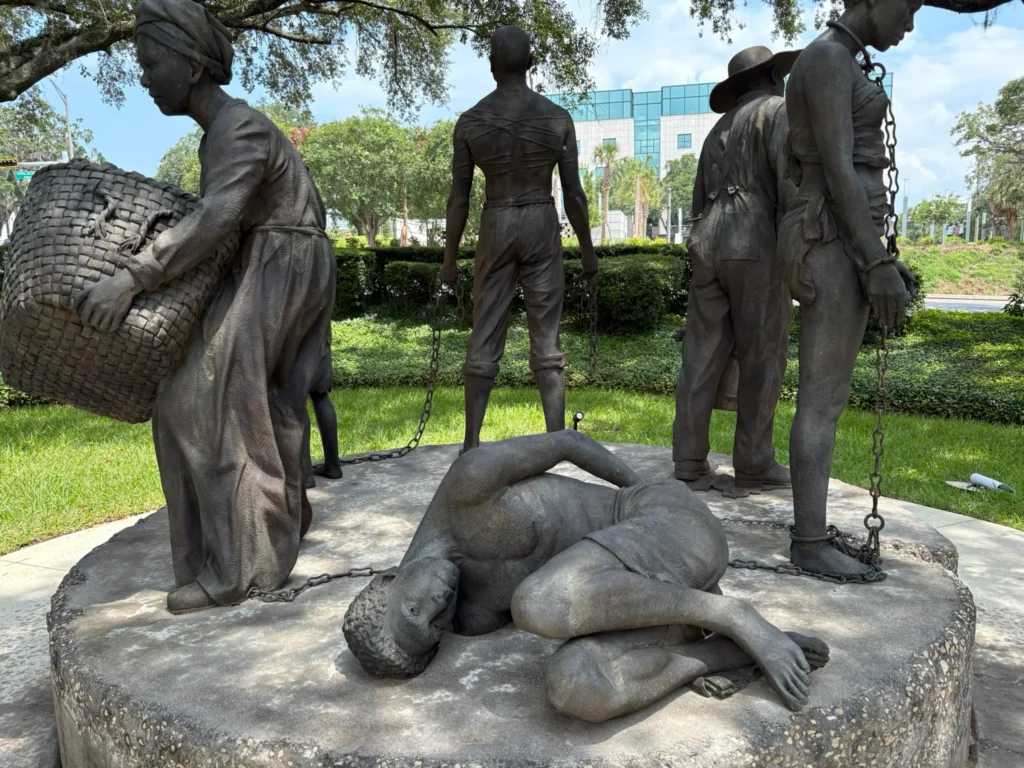
What I recognize in this moment is not closure, but escalation. The global conversation has moved from recognizing the transatlantic slave trade as a crime against humanity to defining it in the strongest possible terms, and that shift is not about semantics. It is about pressure. It is about creating a framework where the next question becomes unavoidable, because once something is defined at that level, it is no longer enough to leave it as a historical fact without examining what responsibility looks like in the present.
I have spent most of my life learning how to read what sits beneath language, and what I see here is a coordinated effort to move the conversation out of memory and into consequence. African and Caribbean nations are not asking to be heard in the abstract; they are asking for a response that reflects the scale of what has already been acknowledged. That is why the wording changed, and that is why it matters.
At the same time, I remain clear that language alone does not create change. Being seen is a fundamental part of being alive, but recognition without structural response can begin to feel like another form of absence, because it acknowledges the reality without altering its impact. That is the tension I see in this moment, and it is why I cannot treat this declaration as an endpoint.
What has happened is significant, but it is not complete. The world has chosen stronger words, and those words carry weight, but they also carry expectation. The question now is not whether the transatlantic slave trade will be named for what it was, because that has already been done in the strongest terms available. The question is whether that naming will lead to action that is equally clear, equally deliberate, and equally difficult to avoid.
That is what I am watching, because that is where truth moves from being spoken to being lived.